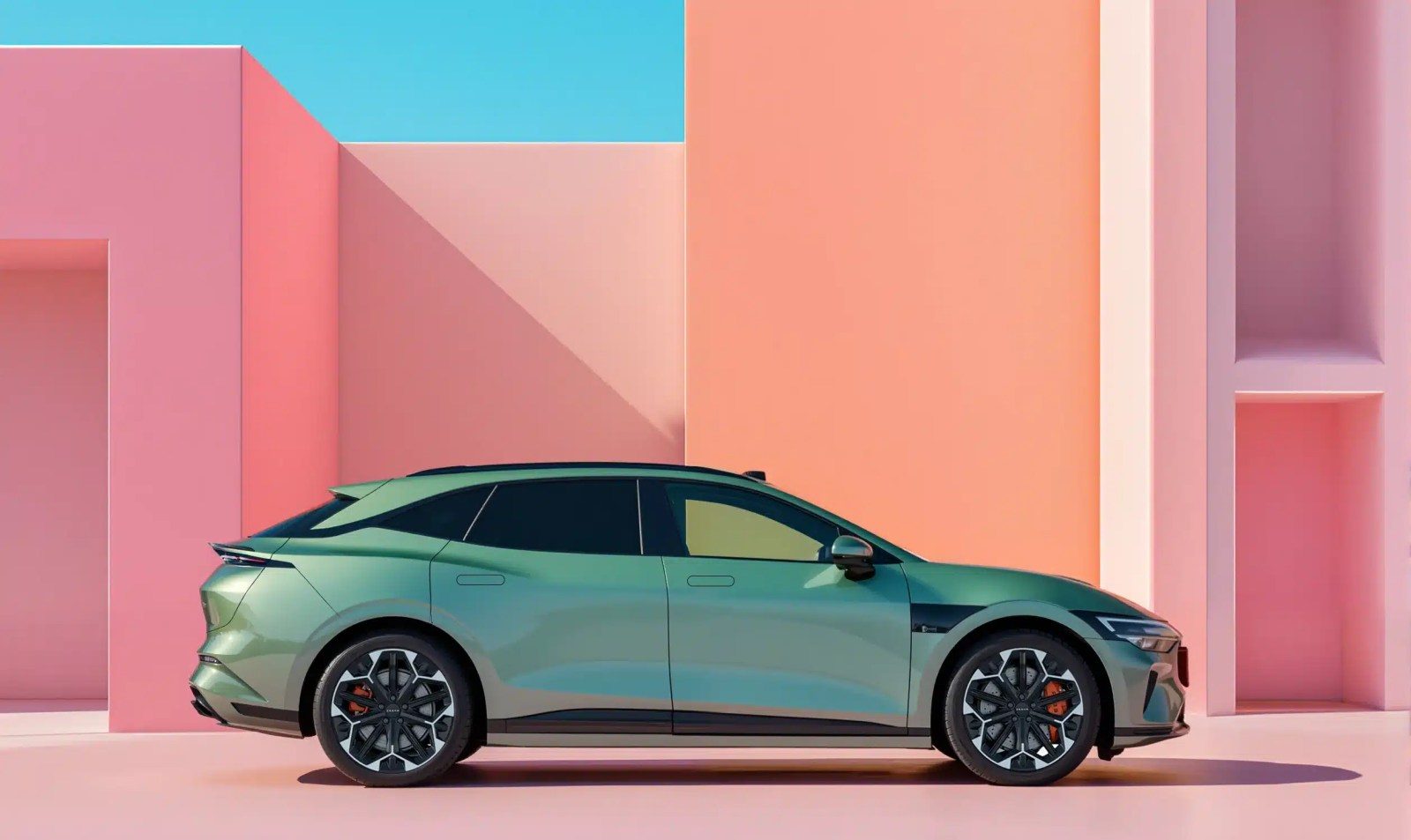

Geely-backed Zeekr brand sold 3,100 vehicles in China between July 7 and 13, according to the insurance data shared on Tuesday.
Figures showed a slight decrease of 4.0% from the prior week, when the premium brand had registered 3,230 units.
Over the past six weeks, Zeekr has consistently registered an average of 3,200 units per week. The last time sales were over 4,000 weekly units was by the end of May.
This contrasts with the typical pattern that automakers experience during the transition between quarters, when sales have a quick surge followed by a sharp drop.
Zeekr sold a total of 90,730 vehicles globally in the first half of the year. The brand, which aims to deliver 320,000 vehicles by year-end, reached 28.4% of its annual target.
Lynk & Co — part of the Zeekr Group since February — saw its weekly registrations drop week over week from 5,000 to 4,600 units.
Zeekr announced on a Weibo post this Monday that its “300,000th shooting brake rolled off the assembly line, accounting for 70% of the global shooting brake market.”
The brand’s lineup in China currently features two shooting brake models: the Zeekr 001 sedan and the luxury Zeekr 007 GT.
Last week, the brand’s 7X SUV has received a five-star safety rating from Euro NCAP, securing a top-four position among all vehicles tested so far in 2025.
The model had also set a charging record in Slovakia last month. In a range test conducted in Norway, it reached a range of 585 km, 8% above the claimed 541 km.
Nio Group‘s main brand, which is a direct competitor to Zeekr, saw its registrations drop to a new three-month low with 2,410 EVs.
The Shanghai-based company was outperformed by Zeekr after three weeks.
Nio’s sub-brand Onvo also recorded its lowest weekly sales figures since April, with 1,140 vehicles. Firefly registrations dropped by more than half week over week, from 1,300 to 550 units.
When it comes to other Chinese new energy vehicle (NEV) newcomers, Guangzhou-based XPeng’s registrations also fell 10% to 5,800 vehicles from July 7 to 13.
Li Auto, which is opening pre-orders for its second fully electric vehicle on Thursday (July 17), sold 7,300 vehicles in the second week of July — 100 units up.
Huawei-backed Aito‘s and Stellantis’ Leapmotor both registered 8,600 vehicles and remained China’s best-selling NEV newcomers.
Tesla recovered from a 76% plunge in the first week of July, more than doubling registrations between July 7 and 13. The US brand sold 12,300 EVs.
Tech giant Xiaomi‘s registrations increased 36.7% to 6,680 vehicles, from the 4,890 units registered a week before. From those, 5,820 were SU7s and 860 were YU7s.