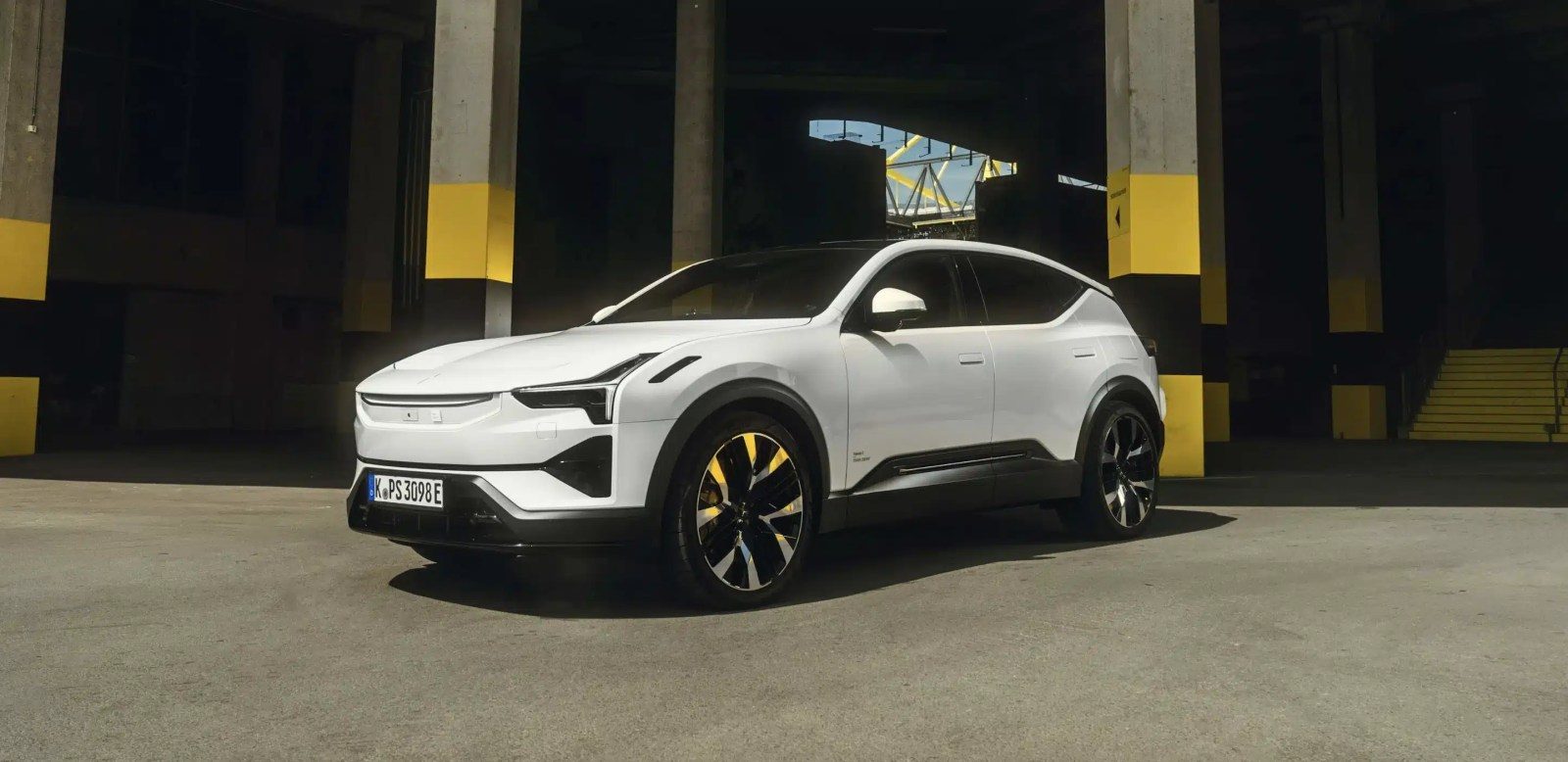

Polestar, based in Sweden and backed by China’s Geely Holding Group, sold 348 vehicles in Germany last month.
The figures represent an increase of 16.8% year over year, according to data from Germany’s Federal Motor Transport Authority (KBA) published on Monday.
The premium brand saw a sales rise of 10 units from August, when it had sold 338 electric vehicles in the country.
Polestar‘s registrations are volatile month over month, as its production is based mostly in China.
In July, it had listed 670 vehicles, its highest monthly figures since August 2023. Quarterly figures reach 1,356, marking its strongest quarter year to date.
In the first quarter, Polestar sold 855 vehicles in Germany. Between April and June, an additional 1,060 units were registered.
Polestar‘s lineup in Europe’s largest auto market includes the Polestar 2 sedan, with prices starting at €48,990 ($57,400).
The Polestar 3 is priced from €74,590 ($87,400) and the Polestar 4 begins at €57,900 ($900) after the deduction.
Up until the end of the quarter, the brand offered a €4,000 bonus (about $4,500) and 0.0% financing for all new or inventory orders of its Polestar 3 and 4 SUVs.
Starting October 1, the company extended its 0.0% APR (Annual Percentage Rate) offer, which, as of Friday, is listed on its website as “valid until revoked.”
Last month, Polestar launched the Polestar 5 — which debuted at Germany’s IAA Auto Show, in Munich.
The production model is based on the Polestar Precept concept first unveiled in 2020 and introduces the company’s first 800-volt electrical architecture and in-house developed rear motor.
In Germany, the Grand Tourer is priced from €118,600, equivalent to $139,000.
According to the company’s website, deliveries are expected to start in “Spring 2026.”
At the same Munich event, Polestar CEO Michael Lohscheller said the EV maker will prioritize working on its Polestar 7 over the roadster Polestar 6, which will give the company its biggest volume potential yet, as prices go lower.
Lohscheller was on the main stage of the event, where he spoke about the current discussion around the European Union’s 2035 zero-emission targets.
While several European executives, from brands such as Mercedes-Benz, BMW or Stellantis, have asked EU policymakers to go back on the ban of petrol-powered vehicles in ten years, he “totally” disagrees with his peers.
Recently, the company appointed Jan Grindemann as the new country chief for Germany, a day after revealing it became the official mobility partner of the German football club Borussia Dortmund for the next three seasons.